


For many organisations, 31 March 2025 was an important milestone.
Simpler Recycling changed how workplaces across England manage their waste, requiring businesses, charities and public sector organisations to separate key recyclable materials, food waste and non-recyclable waste before collection.
For workplaces already in scope, the core requirements include separating:
- dry recyclable materials (plastic, metal, glass)
- paper and card
- food waste
- non-recyclable waste (also called residual waste)
Soft plastic packaging and plastic bags were due to become part of mandatory workplace recycling collections from 31 March 2027.
That timeline has now changed.
In July 2026, the government confirmed that the mandatory collection of soft plastic and flexible packaging will be delayed until 1 April 2030.
So, what does the delay mean for your workplace?

What’s Changing In 2030?
Under the original Simpler Recycling timetable, workplaces would have needed to include soft plastic packaging and plastic bags within their recycling arrangements from March 2027.
The mandatory date has now moved to 1 April 2030.
This covers flexible plastic materials such as:
- plastic carrier bags
- bread bags
- crisp packets and wrappers
- pallet wrap
- shrink wrap
- stretch film
- plastic mailing bags
- other flexible plastic packaging
The delay followed concerns within the waste and recycling sector around sorting and reprocessing capacity and viable end markets for the additional material.
For Facilities and Sustainability teams, it means there is more time to prepare.
But it doesn’t mean workplace recycling should stand still until 2030.
What About The 2027 Simpler Recycling Deadline?
There is still an important workplace deadline in 2027.
Micro-firms with fewer than 10 full-time equivalent employees have a temporary exemption from the main Simpler Recycling workplace requirements until 31 March 2027. The employee threshold applies across the whole business, rather than separately to each site.
For organisations already complying with Simpler Recycling, however, soft plastic packaging and plastic bags will not become a mandatory workplace collection requirement in 2027 as previously planned.
Their mandatory collection has been postponed until 2030.
Your waste collection arrangements may still vary depending on your provider, so it’s worth checking what flexible plastics they currently accept and how they should be presented.
The Deadline Has Moved. The Recycling Challenge Hasn’t.
The legislation determines which materials workplaces need to separate for recycling.
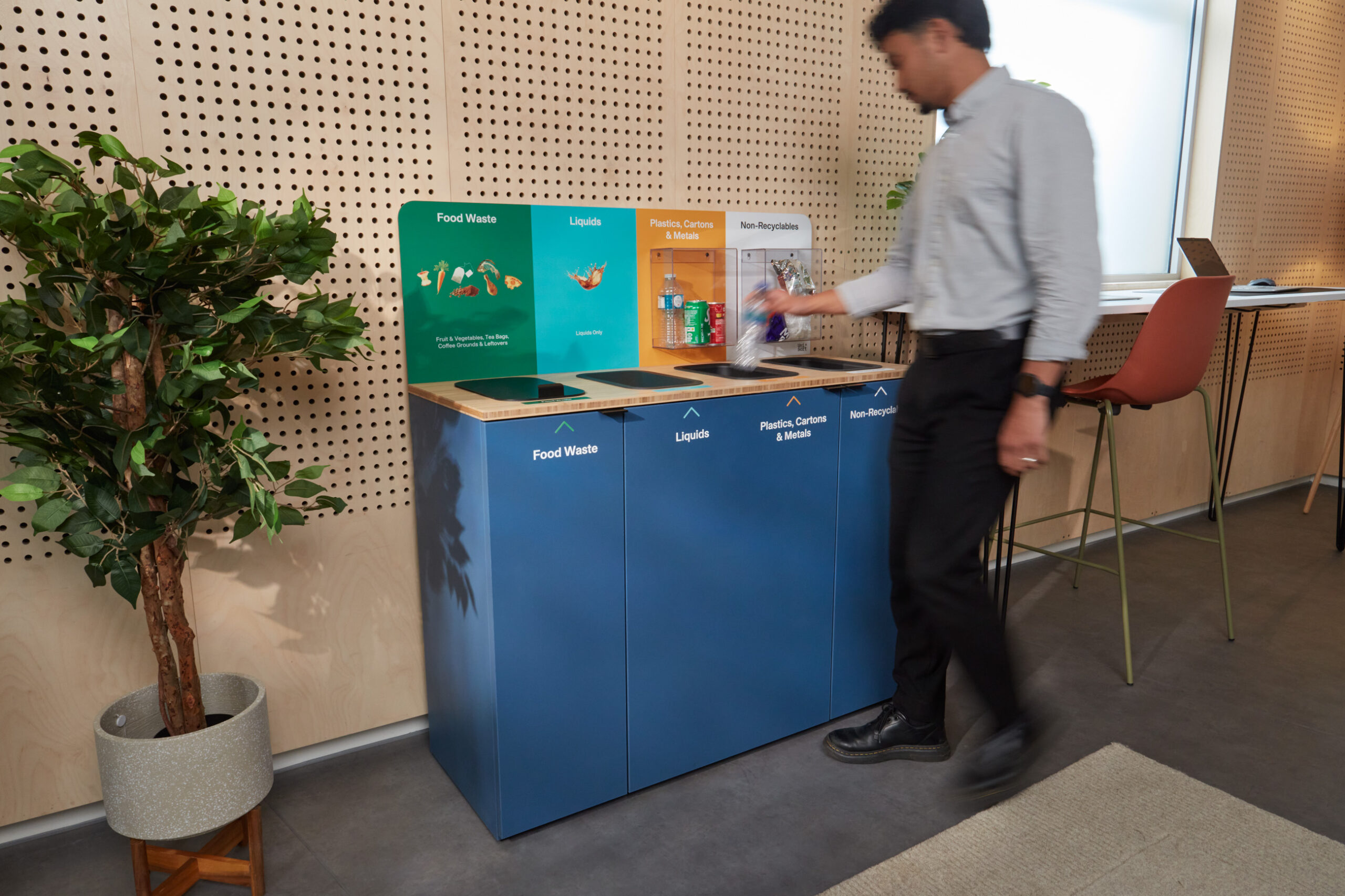
The day-to-day challenge is making sure people understand where their waste belongs.
Flexible plastics can create questions at the point of disposal.
- Where should a crisp packet go?
- What happens to pallet wrap?
- Can a plastic mailing bag be recycled?
- What should someone do if their waste provider doesn’t currently accept flexible plastics?
If the recycling system isn’t clear, confusion can quickly lead to contamination.
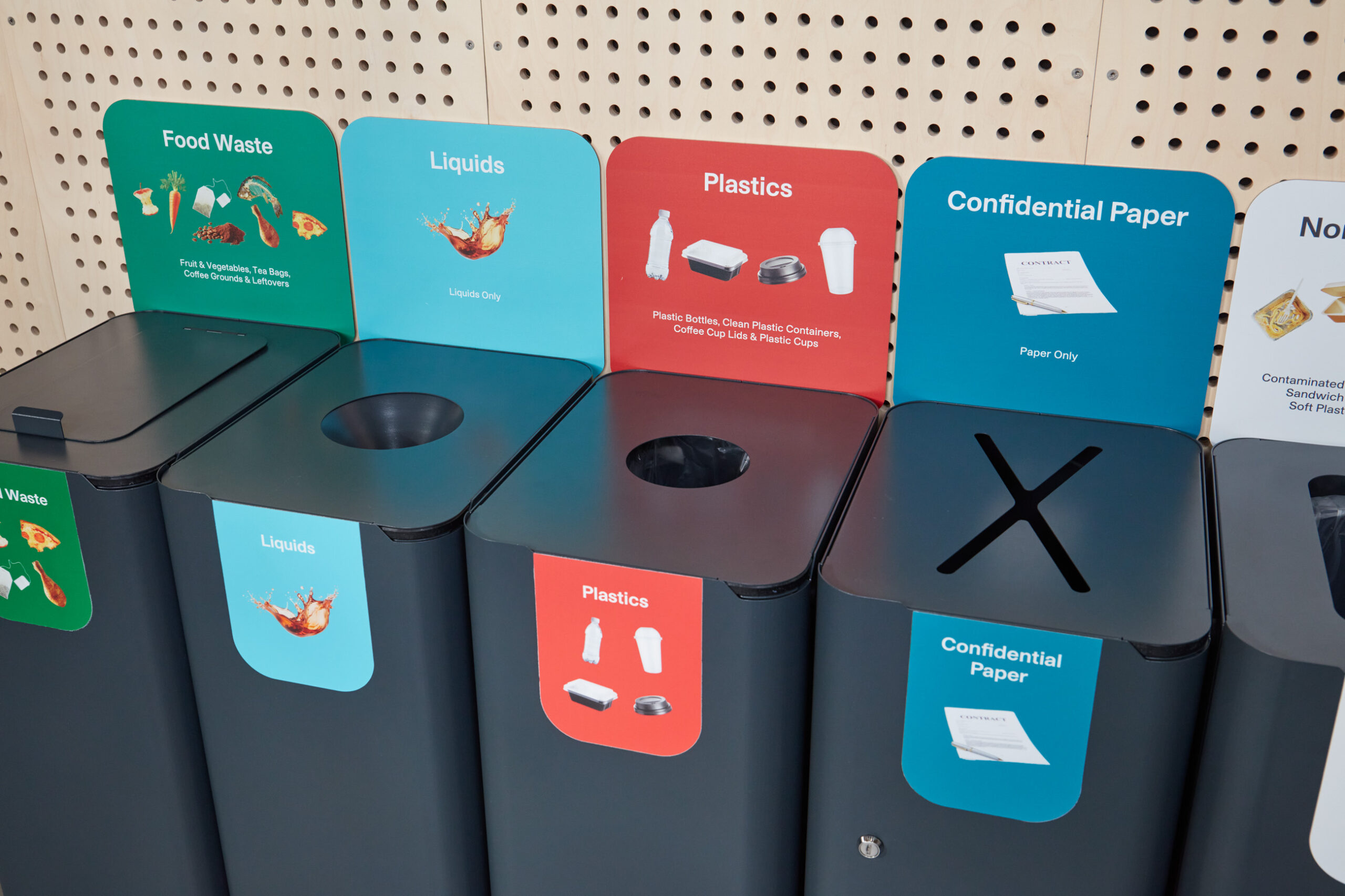
Clear signage, specific waste streams and regular employee communication can help people make the right disposal decision.
For organisations looking to strengthen employee understanding, our Workplace Recycling Engagement Training Sessions provide practical guidance to help teams recycle with confidence.
Is Your Current Recycling System Working?
The move to 2030 creates breathing room.
It also creates an opportunity to look at how well your existing recycling system is performing before another requirement arrives.
Ask yourself:
- Where is contamination occurring today?
- Are waste streams consistent across different sites?
- Is your recycling signage clear?
- Do employees understand what belongs in each stream?
- Have you confirmed current collection arrangements with your waste provider?
- Can you identify which locations are performing well and which need attention?
For organisations managing large workplaces or estates, these questions become particularly important.
Small inconsistencies across individual sites can become much larger operational challenges when repeated across an estate.
Don’t Wait For 2030 To Improve Performance
The deadline has changed.
That doesn’t mean Facilities and Sustainability teams need to wait until 2030 to review their recycling systems.
The additional time can be used to improve:
- Recycling accuracy
- Employee understanding
- Consistency across sites
- Waste quality
- Operational efficiency
- Visibility of recycling performance
It also provides more time to understand how flexible plastics fit into your organisation’s waste profile and speak with your waste provider about how collection arrangements may develop.
The objective shouldn’t simply be to make changes when legislation requires them.
It should be to create a recycling system that continues to perform as requirements evolve.
Why Data Matters
For a single workplace, identifying recycling problems can be relatively straightforward.
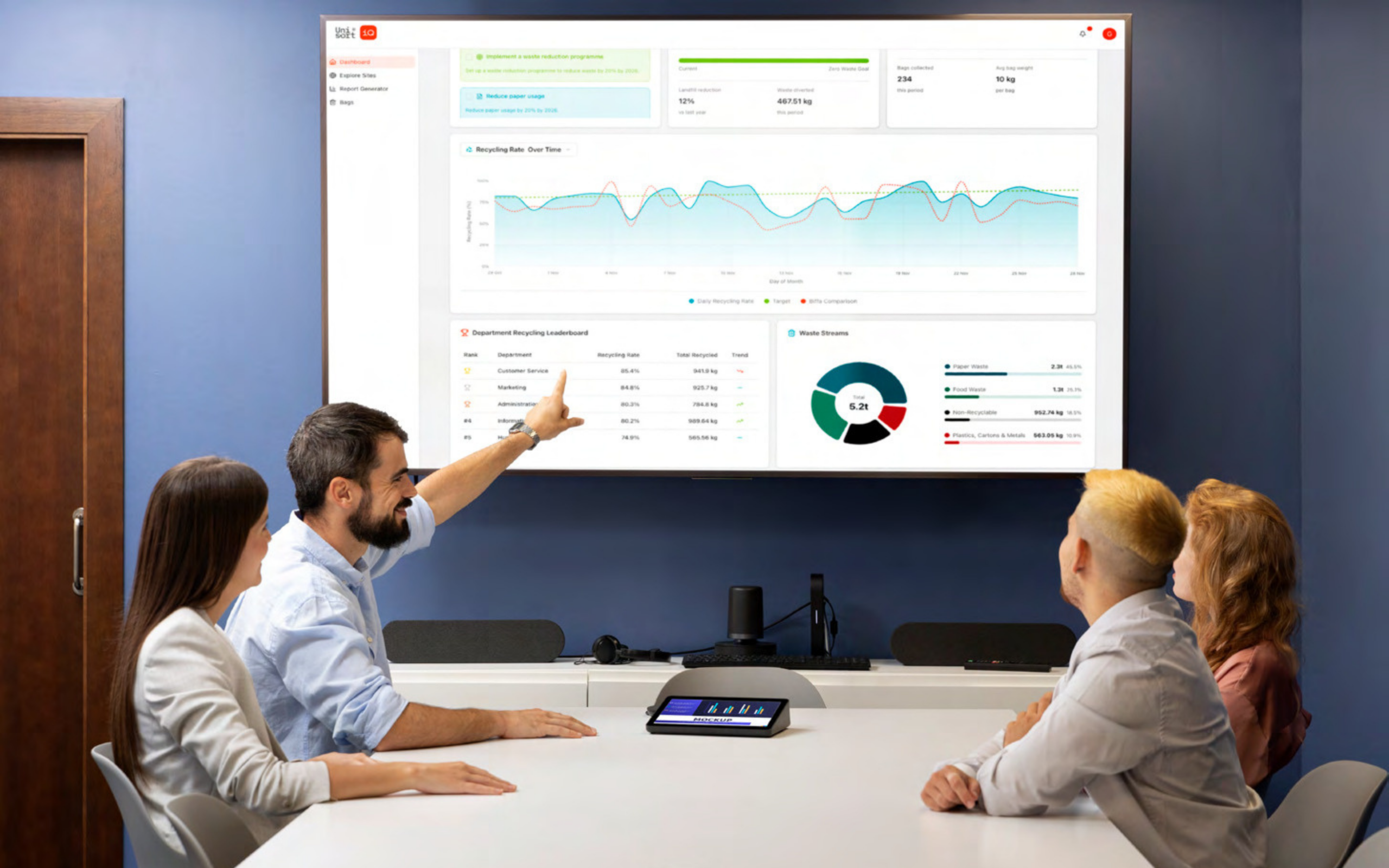
Across a large estate, visibility becomes much more challenging.
– Which locations generate the most contamination?
– Are the same waste streams performing differently between buildings?
– Where are recycling habits improving?
– Where does intervention need to happen?
Collection volumes don’t always provide that level of insight.
And as the UK moves towards Digital Waste Tracking, the wider direction is clear: better, more consistent and more traceable waste data will become increasingly important.
Waste producers aren’t currently required to report through the Digital Waste Tracking service, but Facilities and Sustainability teams can still ask an important question:
How well do you understand the waste being generated across your workplace today?
Solutions such as Unisort iQ provide visibility into recycling performance at source, helping teams identify trends, monitor contamination and understand how performance varies across sites.
You can learn more about what the rollout could mean for businesses in our Digital Waste Tracking guide.
The 2030 delay gives organisations more time. The question is how you use it.
Looking Ahead To 2030
The delay to mandatory soft plastic and flexible packaging collections gives workplaces an additional three years to prepare.
For organisations already complying with Simpler Recycling, there is no need to redesign recycling systems around the previously expected 2027 soft plastic deadline.
There is, however, an opportunity to use that time constructively.
Review your current infrastructure. Speak to your waste provider. Look at contamination. Check consistency across sites. Keep employees informed. Understand how your recycling system is performing today.
Then, when the next requirement arrives, you’re adapting a system you already understand.
If you’d like to understand the wider requirements, you can download our updated guide to the Simpler Recycling law in England.
Or, if you’re reviewing recycling across your workplace or estate and would like to discuss infrastructure, employee engagement or performance monitoring, talk to the Unisort team.