


Recycling performance improves when organisations can see what is happening on site.
Across multi-building estates, distribution centres and high-footfall environments, recycling systems operate constantly. Materials move quickly. Decisions are made in seconds. Without structured visibility, small inconsistencies compound into contamination, missed recycling opportunities and unreliable reporting.
Digital Waste Tracking introduces clarity into that system. It connects waste generation, movement and reporting into one structured digital record.
That visibility strengthens performance.
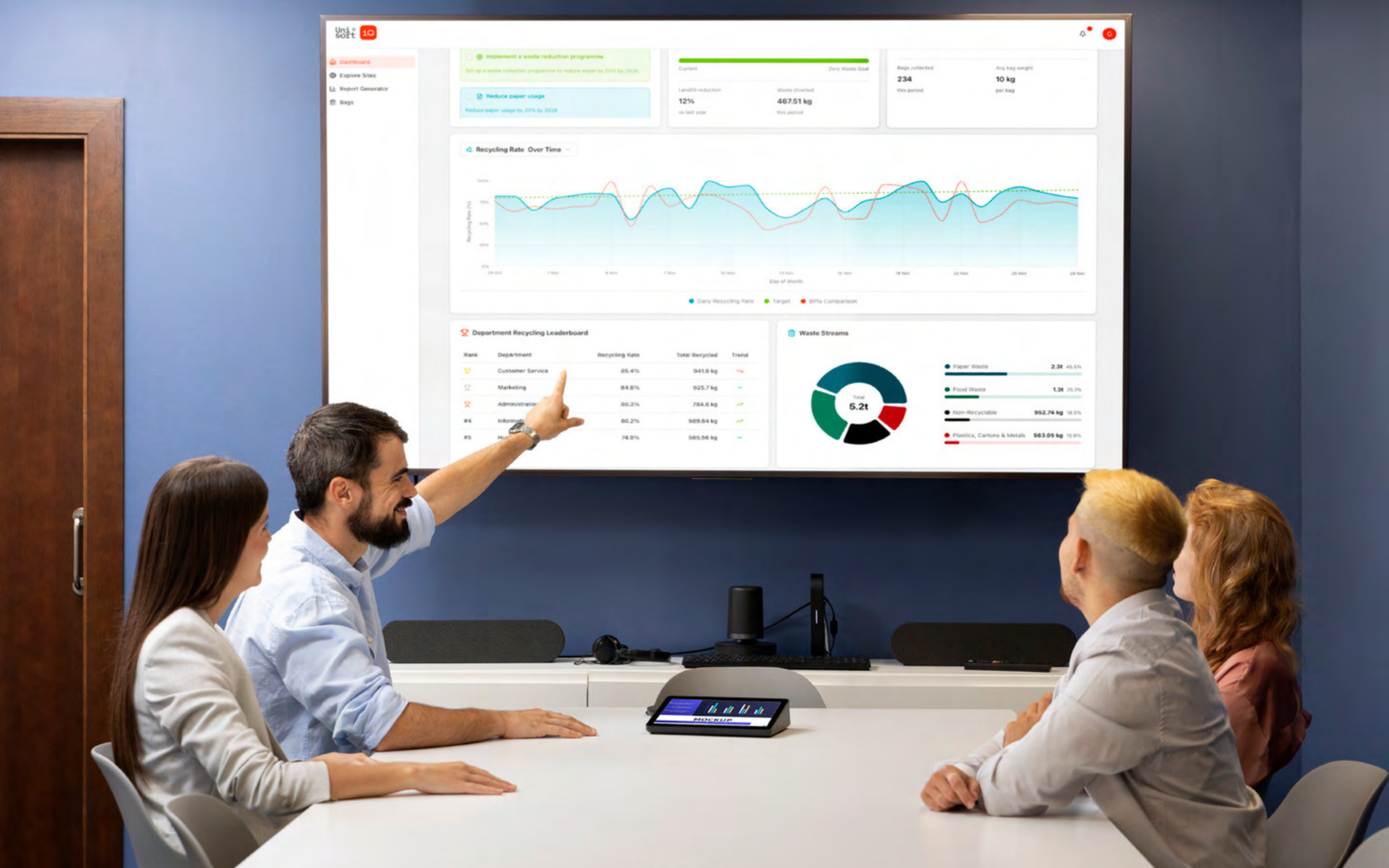
Why Visibility Matters In Modern Recycling Systems
Many organisations rely on contractor reports or end-of-journey data to understand recycling performance. While useful, this approach rarely shows where issues actually begin.
When contamination cannot be traced to a specific location, the same problems repeat. When performance varies across buildings, gaps remain hidden. When reporting relies on delayed or estimated data, sustainability claims become harder to evidence with confidence.
Structured digital visibility changes this.
- Clear traceability of waste movements
- Consistent, audit-ready records
- Estate-wide performance benchmarking
- Stronger ESG reporting
- Evidence-based operational decisions
Recycling becomes something organisations can actively manage and improve, not just review after the fact.
What Digital Waste Tracking Means For UK Workplaces
Digital Waste Tracking is the electronic recording of waste movements through a central UK system implemented by DEFRA. It replaces paper-based Duty of Care documentation, including waste transfer notes, with structured digital records.
Every waste movement will be captured digitally, tracking waste from production through to disposal or recycling.
Mandation is phased according to role in the waste chain:
- Permitted and licensed waste receiving sites must comply from October 2026 in England, Wales and Northern Ireland, and January 2027 in Scotland.
- Waste collectors, brokers and dealers are expected to follow from October 2027.
- Scope is expected to expand across the supply chain in later phases.
Digital Waste Tracking applies based on role, not business size. As traceability expectations increase, more organisations will be expected to provide structured, reliable waste data.
Forward-thinking organisations are preparing now.
Beyond Compliance: Turning Data Into Performance Insight
Regulatory change is one driver, but the real value lies in how data is used.
When waste data is captured accurately and consistently, it becomes a tool for improving performance.
Structured digital records provide:
| Area | Operational Impact |
| Contamination visibility | Identify recurring issues by location |
| Multi-site estates | Benchmark performance across buildings |
| Reporting | Generate structured, audit-ready evidence |
| ESG targets | Support credible sustainability claims |
| Risk management | Strengthen traceability and oversight |
When performance is visible, it becomes manageable. When it is manageable, it becomes improvable.
How Unisort iQ Strengthens Workplace Recycling Performance
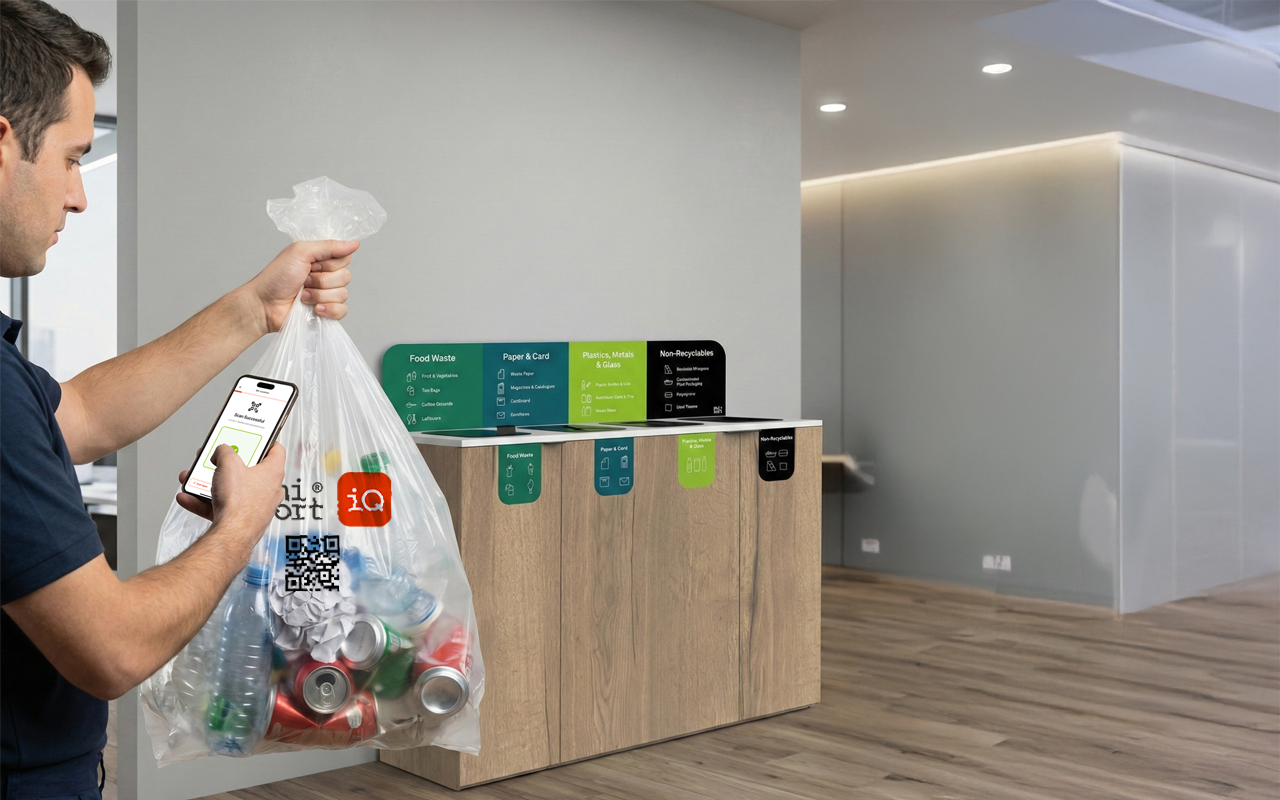
Unisort iQ Workplace Waste Intelligence captures waste data directly at the point of disposal, giving organisations real-time visibility of recycling performance across their workplaces.
It translates everyday recycling activity into structured insight that facilities and sustainability teams can act on.
Unisort iQ Workplace Waste Intelligence supports:
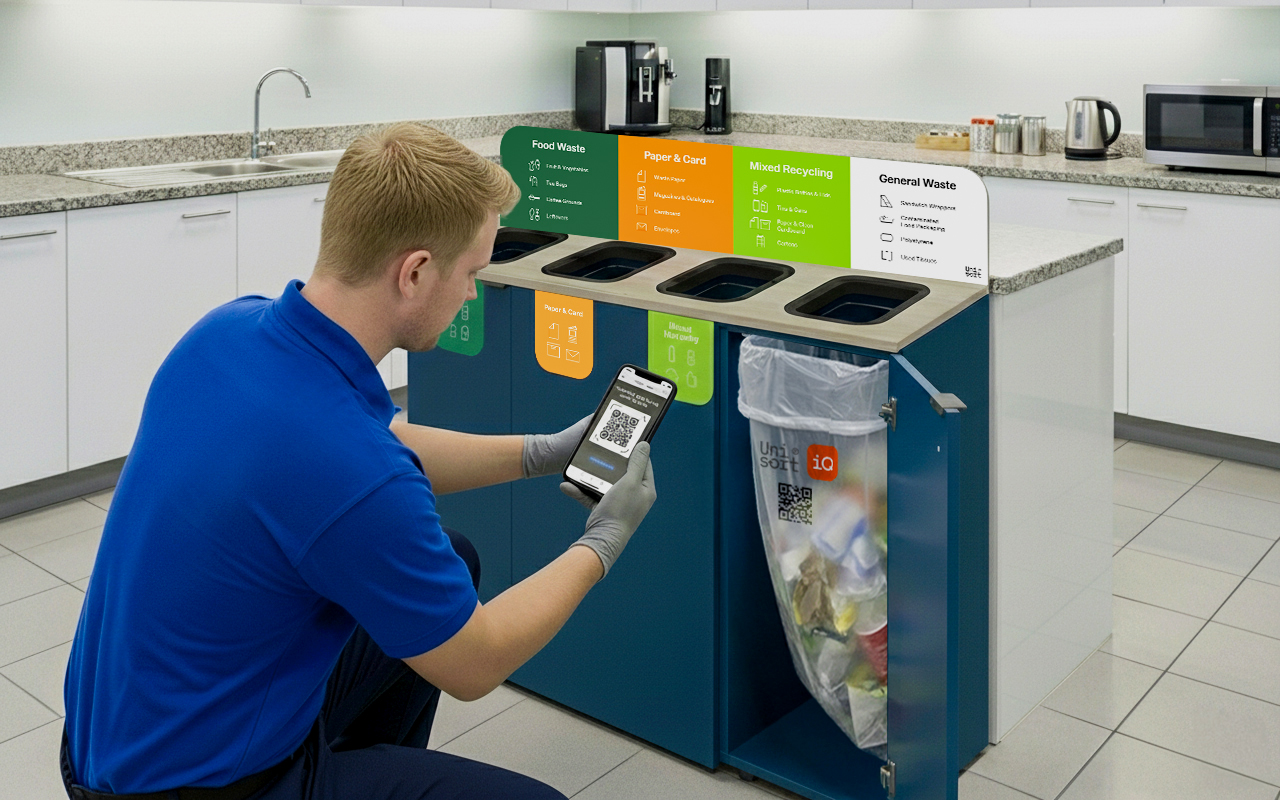
- Capturing waste data at source
- Real-time recycling and contamination insights
- Cleaner accountability and audit trails
- Integrated weighing and waste tracking
- Multi-site and multi floor performance reporting
- AI insights and optimisation (coming soon)
This site-level Digital Waste Tracking is the national system for recording waste movements. Unisort iQ Workplace Waste Intelligence is designed to operate within that same framework, helping organisations capture structured digital data at site level and prepare confidently for full regulatory alignment.
Practical Examples Across Estates
In a national office portfolio, digital visibility allows performance comparison between buildings. Underperforming sites can be identified quickly and supported with signage refinement or engagement training sessions.
In high-footfall environments, contamination spikes can be traced to specific locations or time periods, allowing targeted operational adjustments.
In space-constrained areas, digital data confirms whether compact or vertical recycling stations are needed for delivering intended outcomes.
In organisations pursuing zero waste strategies, structured reporting replaces assumption with evidence.
Structured visibility supports refinement, not just record keeping.
Preparing For The Transition
Preparation does not require waiting for formal mandation.
Organisations can begin by:
- Mapping waste streams clearly across sites
- Standardising recycling station design
- Embedding digital data capture
- Embedding structured data capture within daily operations
- Training teams to support consistent logging and correct recycling habits
Digital Waste Tracking will become mandatory for permitted and licensed waste receiving sites from October 2026 in England, Wales and Northern Ireland, and January 2027 in Scotland. Wider rollout is expected to follow.
As traceability expectations increase, structured digital systems will become standard practice across the waste chain.
Organisations that build visibility into their recycling systems now will strengthen both performance and compliance readiness.

Strengthening Recycling With Confidence
Recycling systems perform best when infrastructure, engagement and data move together.
Structured digital visibility reduces uncertainty. Reporting becomes defensible. Sustainability targets become measurable outcomes rather than ambitions.
Unisort iQ Workplace Waste Intelligence provides structured digital waste tracking that supports both operational performance and readiness for national Digital Waste Tracking requirements.
Explore how Unisort iQ supports structured digital visibility and measurable recycling improvement.
If you would like help understanding how Digital Waste Tracking applies to your organisation and how Unisort iQ Workplace Waste Intelligence fits into that transition, we are happy to offer a complimentary, no-obligation conversation. Get in touch.