


It’s one of the most common questions we hear:
“If we’re separating our waste and recycling at work, why does it all appear to go into one lorry?”
It’s a fair question. And for many organisations, it can create uncertainty around whether their recycling efforts are actually making a difference.
The good news is that seeing waste loaded into one vehicle does not necessarily mean it is all being mixed together again.
Why Does It All Go Into One Lorry?
Many waste collection vehicles are designed with multiple compartments inside the same lorry.
This allows different waste streams to remain separate throughout collection and transportation, even though they may appear to be entering the same vehicle from the outside.
In other cases, some recyclable materials can be collected together because they are separated later at specialist facilities.
The important thing to remember is that one lorry does not automatically mean one waste stream.
What Happens To My Waste After It Leaves Site?
Once your waste is collected, it will typically follow different routes depending on the material and your waste management arrangements.
Dry Mixed Recycling
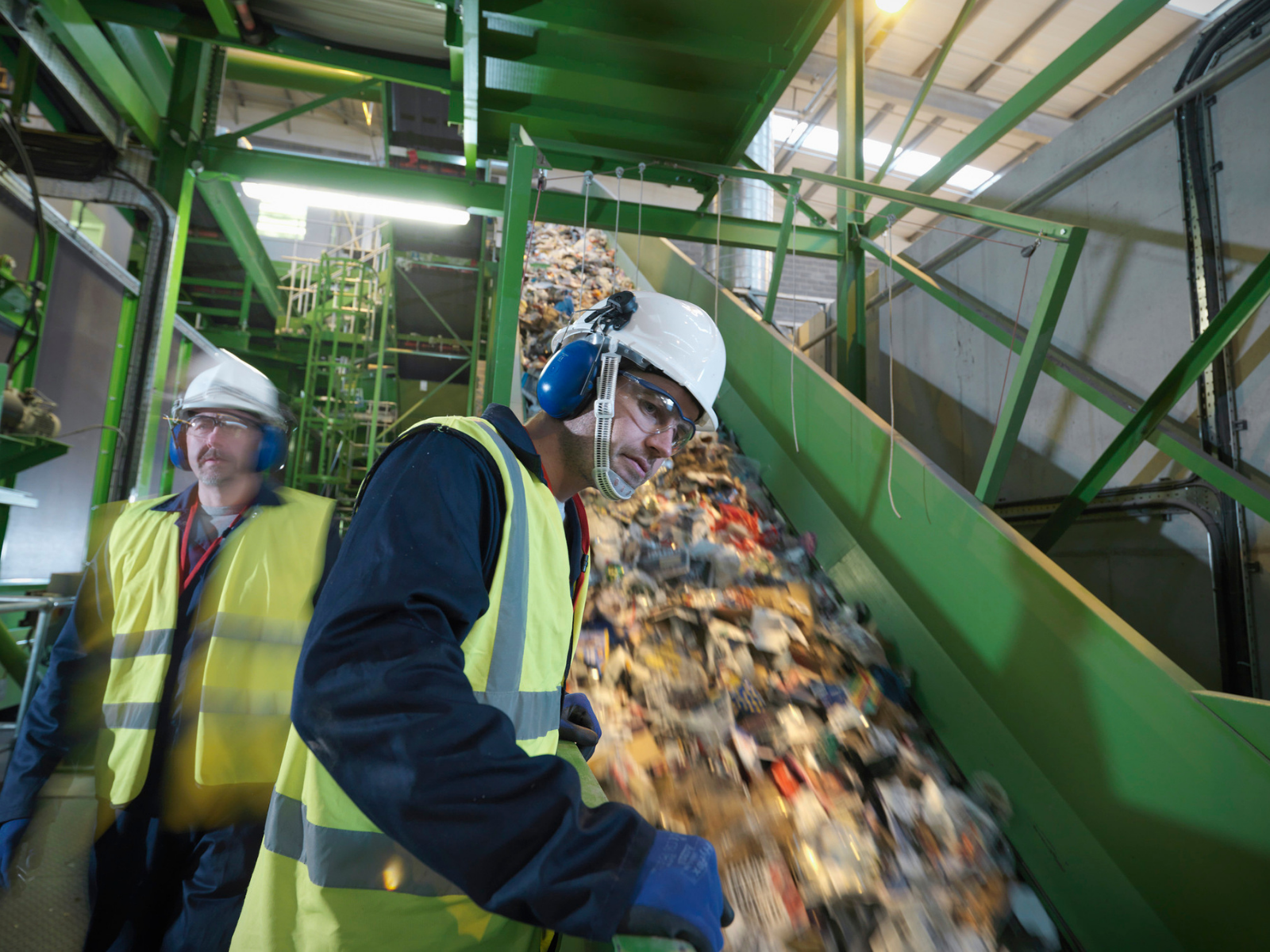
Materials such as plastic bottles, cans, cartons and paper may be taken to a Materials Recovery Facility (MRF), where they are sorted into individual material streams using a combination of technology and manual processes.
Food Waste
Food waste is often sent to an anaerobic digestion facility, where it can be converted into renewable energy and nutrient-rich fertiliser.
Paper And Cardboard
Where collected separately, paper and cardboard may be sent directly for reprocessing and used to create new products.
General Waste
Waste that cannot be recycled may be sent for energy recovery and, in some cases, landfill.
Does My Recycling Actually Get Recycled?
Another question we hear regularly is:
“Does recycling really get recycled?”
The answer is yes, but the quality of materials matters.
Clean, well-separated materials have a much greater chance of being successfully recycled into new products.
Contamination can make recycling more difficult and reduce the value and quality of the materials collected.
This is why good recycling habits matter.
Why Does Separating Waste At Source Still Matter?
Because the quality of recyclable materials matters.
The cleaner and less contaminated a recycling waste stream is, the greater the opportunity for those materials to be successfully recycled.
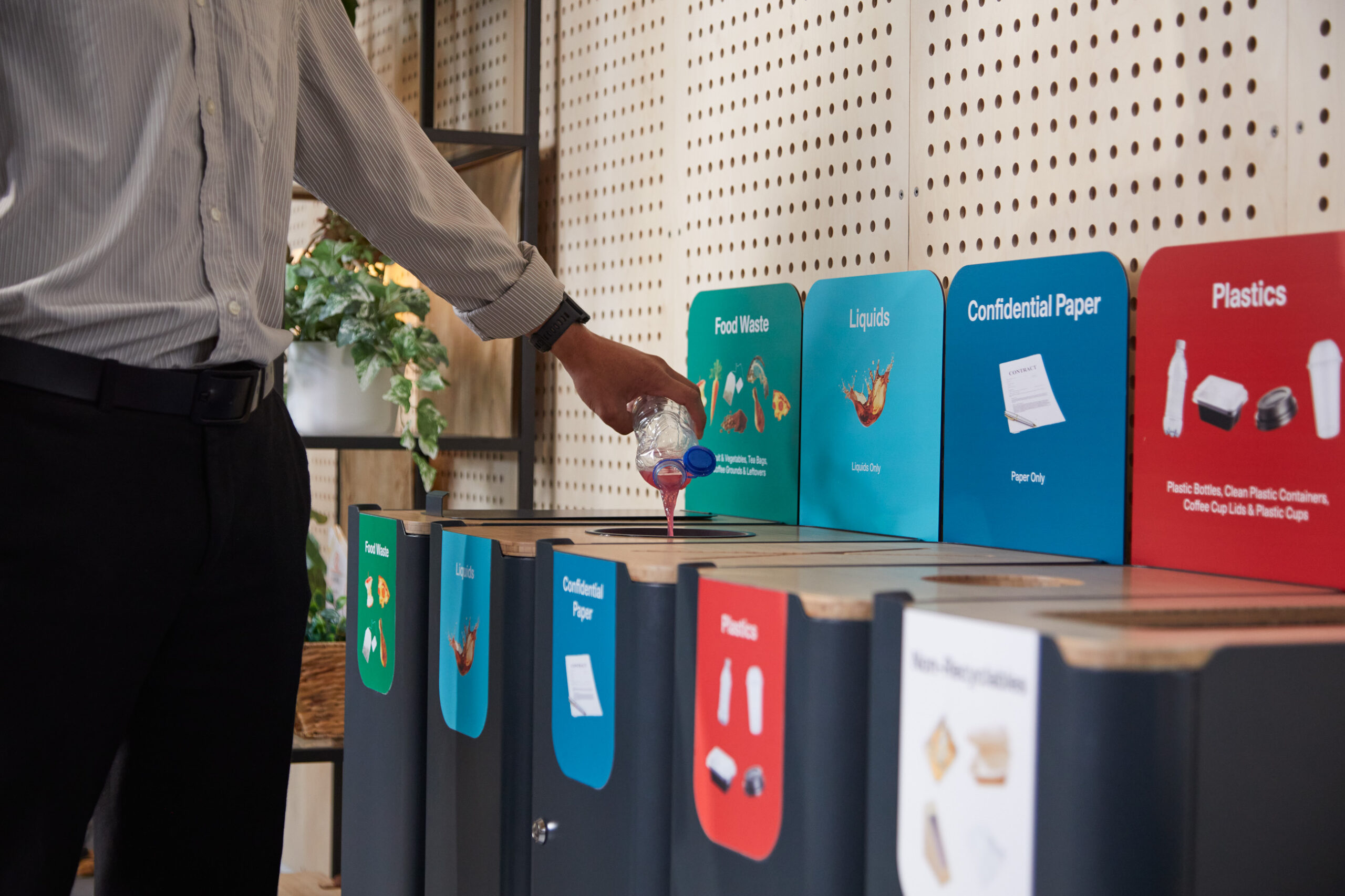
Separating waste correctly at the point of disposal can help organisations:
- Reduce contamination
- Improve recycling rates
- Increase the quality of recyclable materials
- Support more accurate reporting
- Improve operational efficiency
Why Your Recycling Separation Efforts Matter
It’s easy to think that one bottle, one coffee cup or one piece of paper won’t make much difference.
But workplace recycling is built on small decisions repeated thousands of times every day.
One person recycling correctly may seem insignificant.
Hundreds or thousands of people doing the same thing every day can completely transform recycling performance.
The most successful recycling programmes are rarely built on one big change.
They are built on thousands of small, consistent behaviours.
Recycling Is A System
Many people think recycling starts when the lorry arrives.
In reality, the lorry is only one step in a much bigger system.
Recycling starts when somebody decides where to place an item.
Every disposal decision influences what happens next.
Every decision can either support or undermine the entire process.
This is why clear recycling systems and easy-to-recognise, specific waste streams matter so much.
Questions To Ask Your Waste Provider
If you’re unsure what happens to your waste after collection, don’t be afraid to ask.
Useful questions include:
- Where does our recycling go after collection?
- Is it separated further downstream?
- How are contamination levels managed?
- What happens to our food waste?
- How is our recycling performance measured?
- What evidence can you provide on recycling outcomes?
Understanding the journey of your waste can help build confidence in your recycling system.
Common Recycling Myths
“It all goes to landfill anyway.”
Not necessarily. Different materials follow different routes depending on the waste stream and collection arrangements.
“It all goes into one lorry, so there’s no point recycling.”
Many vehicles have separate compartments and some materials are intentionally sorted further downstream.
“One person won’t make a difference.”
Workplace recycling performance is built on thousands of small decisions made every day.
“Recycling starts when the waste leaves the building.”
Recycling starts at the point of disposal.
Understanding what happens after collection is important.
But good recycling starts before the lorry arrives.
If you’d like to learn more about creating clearer, more consistent workplace recycling systems that people actually use, we’re always happy to have a friendly conversation.