


Recycling performance in workplaces often plateaus for a familiar reason.
Organisations invest in new recycling stations, introduce additional waste streams and run internal campaigns.
However, even though recycling systems are in place and expectations are clear, confusion persists, contamination continues to grow and recycling rates stop improving.
This happens because recycling is not just about the ‘infrastructure.’ It is significantly influenced by behaviour.
In busy commercial environments, decisions are made quickly. People move between meetings, carry coffee cups and focus on their next task. At that moment, recycling is not something they stop to think about. They act on instinct.
If the system does not support that instinct, recycling performance breaks down.
Define The Behaviour Before The Solution
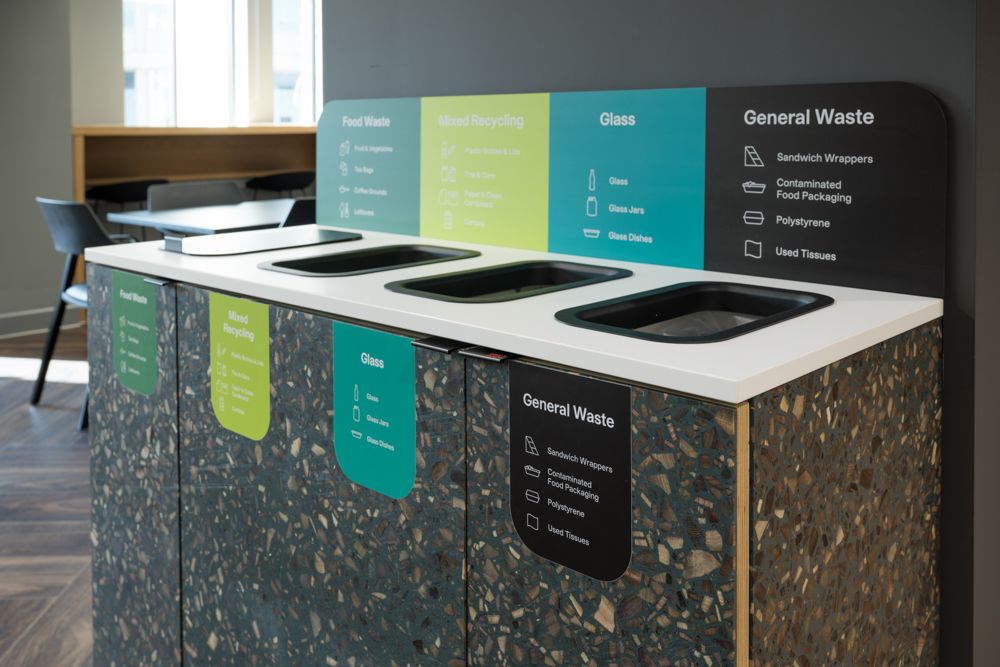
Recycling performance improves when the required behaviours are defined first, then recycling systems are designed to support them.
Placing a bottle in the correct waste stream, separating food waste properly, and using the right recycling station without hesitation are simple actions, repeated throughout the day across workplaces.
When recycling systems are designed without considering these behaviours, they rely on people to stop, think and interpret. But, in fast-paced environments, that rarely happens.
If the system creates hesitation at the point of disposal, performance will always be inconsistent.
Recycling Performance Is Built On Everyday Decisions
Recycling is shaped by small actions repeated hundreds of times every day.
Each decision depends on what the person sees and understands at that moment.
If signage is unclear, if layouts vary, or if waste streams are inconsistent, people guess. When people guess, contamination increases.
Strong recycling performance comes from removing guesswork completely.
Clarity reduces hesitation and consistency reinforces correct recycling behaviour.
Design For Real Workplace Conditions
Workplaces operate at pace, and recycling systems need to work just as quickly.
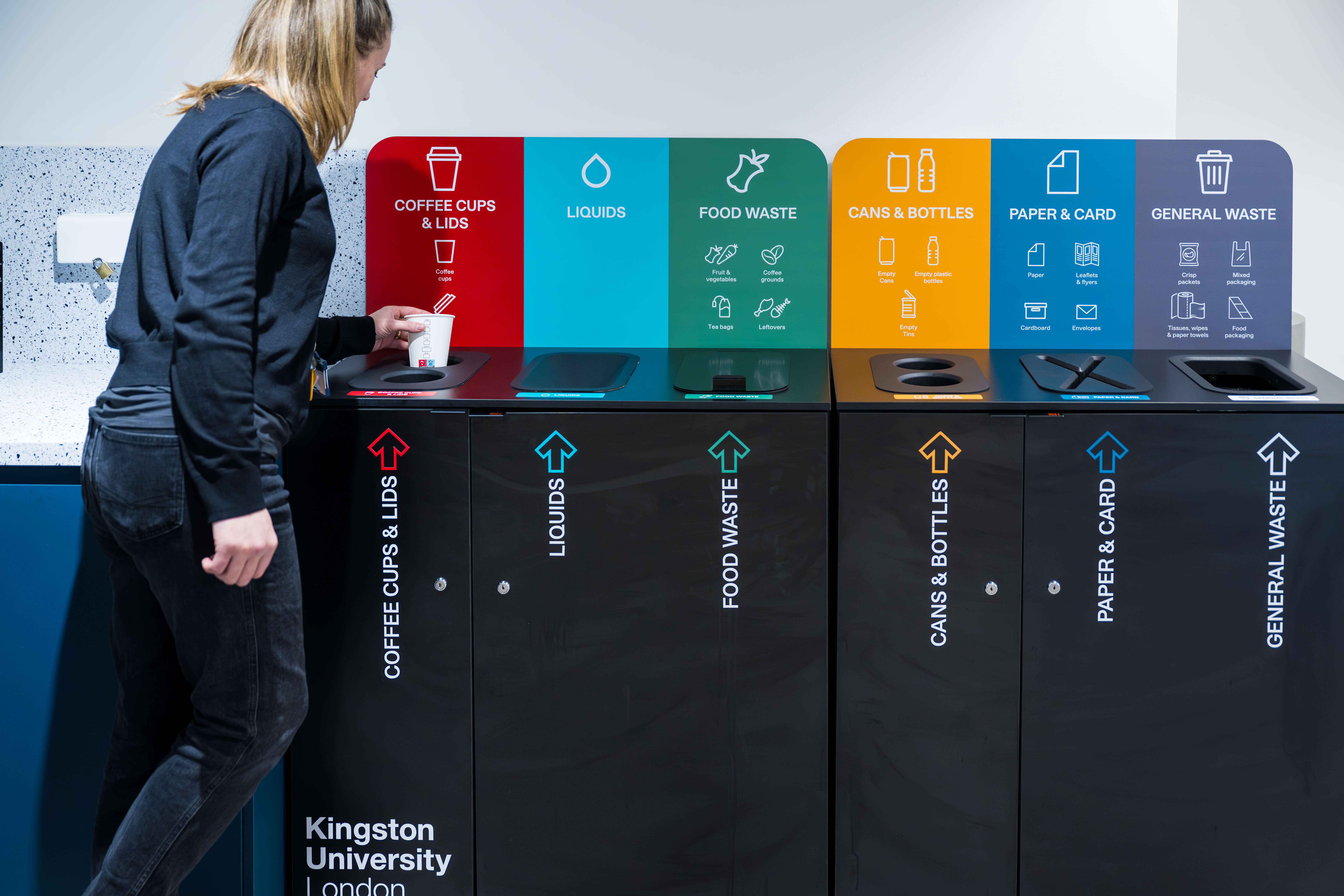
People do not stop to read instructions or analyse options. They respond to what is obvious.
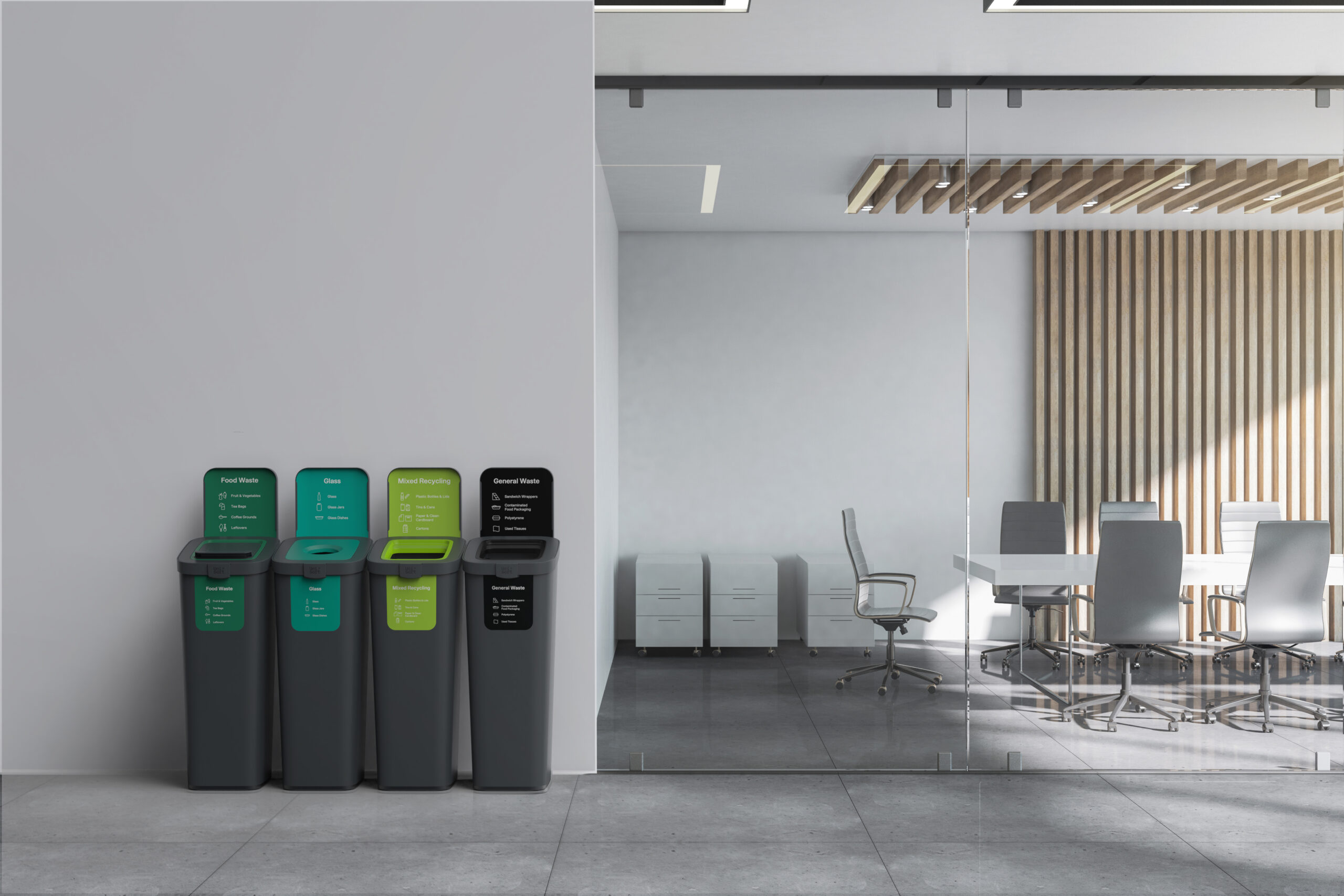
- Specific waste streams with shape-based openings
- Consistent, clear signage with icons & colour-coded apertures
- Logical placement within natural movement
When the correct choice is immediate, correct behaviour follows naturally.
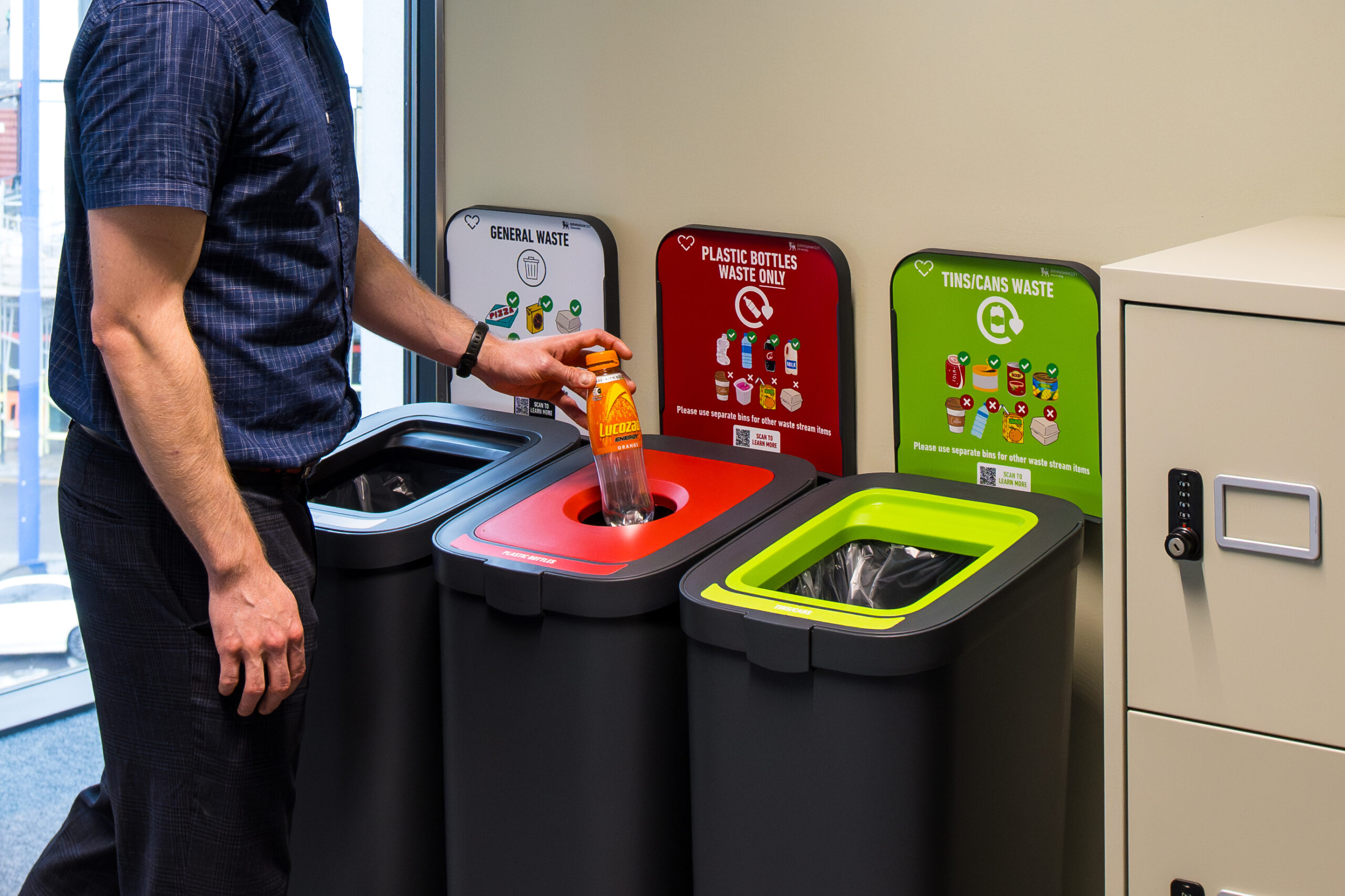
Unisort applies this approach across ranges such as Unisort Aspire, Unisort Climate, and Unisort Circula, using clear, colour-coded waste streams, consistent signage and shape-based apertures to remove the two-second pause and support confident decision-making at the point of disposal.
For smaller or space-constrained areas, Unisort Pura recycling station maintains the same visual logic, ensuring clarity and consistency across meeting rooms, offices and tighter layouts without compromising performance.

Consistency Across Sites Builds Confidence
For organisations managing multiple buildings, consistency is essential.
When recycling systems look and work the same across every location, people do not need to relearn behaviour. They recognise it instantly.
Familiar layouts, consistent, specific waste streams and predictable signage create confidence, and that leads to correct recycling.
Over time, this consistency turns behaviour into habit.
When behaviour becomes consistent across a workplace, it becomes the expected way to act.
Align Systems, Communication And Operations
Recycling performance improves when recycling systems and communication work together.
Facilities teams manage infrastructure, sustainability teams define targets, and internal teams communicate expectations. When these elements are not aligned, gaps appear.
Design-led recycling systems supported by consistent messaging and practical engagement create environments where correct behaviour becomes routine.
This is reinforced through Workplace Recycling Engagement Training Sessions, which help teams understand how recycling systems work, why they matter and how their actions contribute to achieving sustainability targets.
Make Recycling Visible And Measurable
In many workplaces, recycling performance is difficult to see.
Waste leaves the building, reports arrive later, and issues are identified after the fact. By then, the cause is unclear.
Better visibility can change this!
When organisations can see where contamination is coming from, compare performance across sites and track behaviour over time, they can improve systems with confidence.
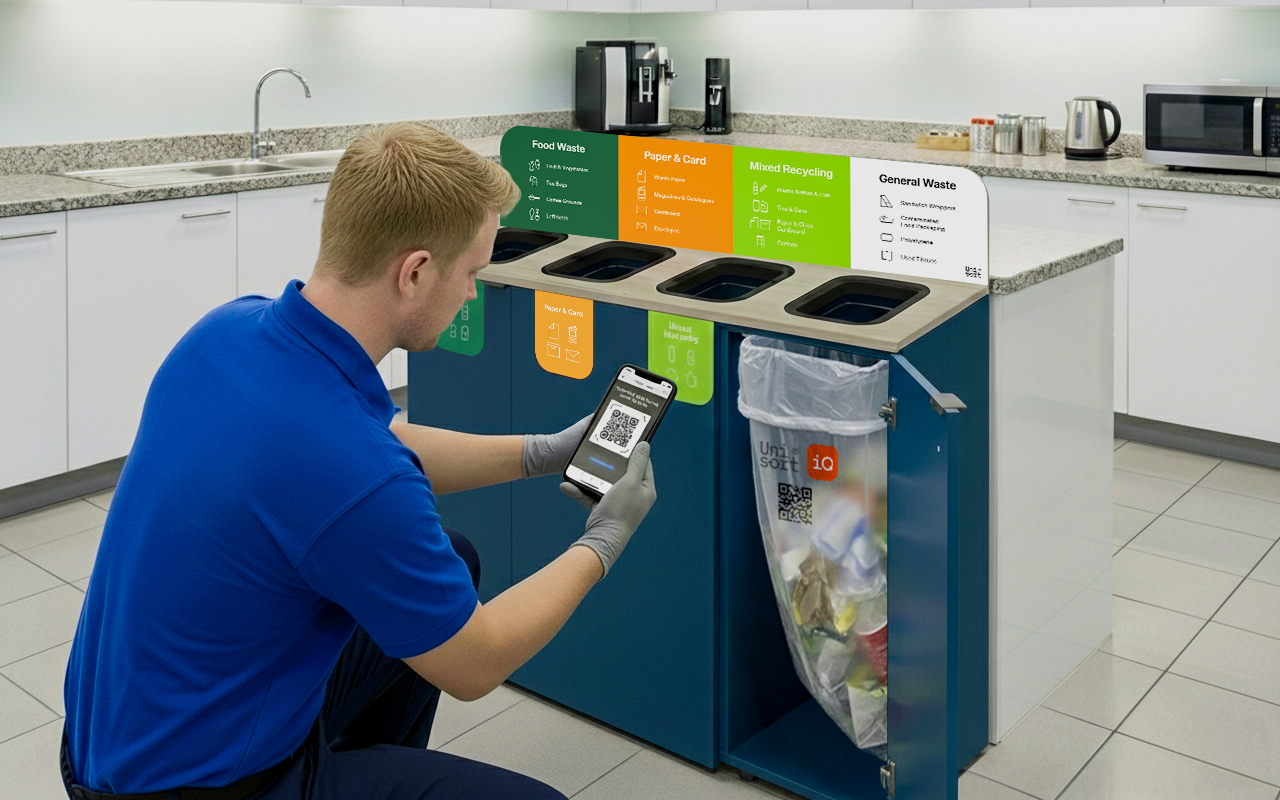
This is where Unisort iQ Workplace Waste Intelligence supports recycling performance.
By providing real-time visibility of waste across buildings, floors and teams, organisations can measure, understand and improve recycling outcomes with accuracy.
- Capture waste data digitally at source
- Identify contamination areas
- Track recycling performance across sites
- Generate clear recycling & compliance insights
Better data leads to better recycling.
From October 2026, UK legislation will require digital records of waste movements, replacing paper-based tracking.
Treat Recycling As A Continuous System
Recycling performance is not fixed. It evolves.
Small changes in layout, signage or behaviour can have a significant impact. The key is being able to see what is working and where improvements are needed.
Solutions such as the Fast-Track Delivery Range allow organisations to quickly standardise recycling systems across sites when timelines are tight, helping maintain consistency without delaying performance improvements.
Organisations that monitor and refine their systems regularly maintain stronger results over time.
Those that rely on one-off changes often see performance decline.
Recycling performance is not limited by intent. It is shaped by system design.
- Clarity supports correct decisions
- Consistency builds confidence
- Visibility enables improvement
- Being proactive supports long-term growth
When recycling systems are designed around how people actually behave, hesitation is removed, contamination reduces and performance becomes reliable across workplaces.
As expectations around reporting, traceability and sustainability increase, organisations that combine design, behaviour and data will be better positioned to deliver measurable, long-term results.
If recycling is expected to perform, it needs to be clear, consistent and visible from the start.
Unisort supports organisations in designing recycling systems that align behaviour, infrastructure and data to deliver consistent, measurable performance across workplaces.
Turn recycling into a system that performs. Get in touch to identify gaps and create a long-term approach.