


Most workplace recycling challenges can be traced back to one thing: a lack of visibility into what is actually happening at the point of disposal.
Organisations accumulate waste and recycling items every day, but still lack clear visibility of what is actually happening across their sites. Making it hard to answer some simple but important questions:
- Which areas contaminate recycling the most?
- Which waste streams are underperforming?
- Are recycling rates genuinely improving?
- Where is waste actually being generated?
- Are employees using the recycling system correctly?
Without visibility, recycling performance becomes difficult to improve consistently.
This is why more Facilities Managers and Sustainability Managers are starting to focus on measurement, reporting, waste audits and behavioural observations rather than relying purely on assumptions or contractor estimates.

Quick Answer: How Do Companies Track Recycling Success In Their Offices?
The most effective organisations track workplace recycling performance through a combination of:
- Waste audits
- Contamination monitoring
- Diversion rate reporting
- Workplace behaviour observations
- Waste stream analysis
- Bin usage and placement reviews
- Employee engagement feedback
- Digital waste tracking systems
The goal is not simply to collect more data. It is to understand what is actually happening across the workplace and identify where improvements can realistically be made.
Recycling performance is heavily influenced by behaviour at the point of disposal.
What Percentage Of Office Waste Is Recyclable?
A significant proportion of workplace waste can usually be recycled when the correct recycling systems are in place.
In many offices, recyclable materials can include:
- Paper and cardboard
- Plastic bottles and packaging
- Aluminium cans
- Coffee cups
- Food waste
- Glass
- Small electrical items
- Confidential paper waste
- Batteries
The challenge is contamination.
Once recyclable materials become mixed with food residue, liquids or incorrect waste streams, recycling quality and diversion performance quickly decline.
This is why clear recycling waste streams, intuitive recycling stations and consistent signage play such an important role in workplace recycling performance.
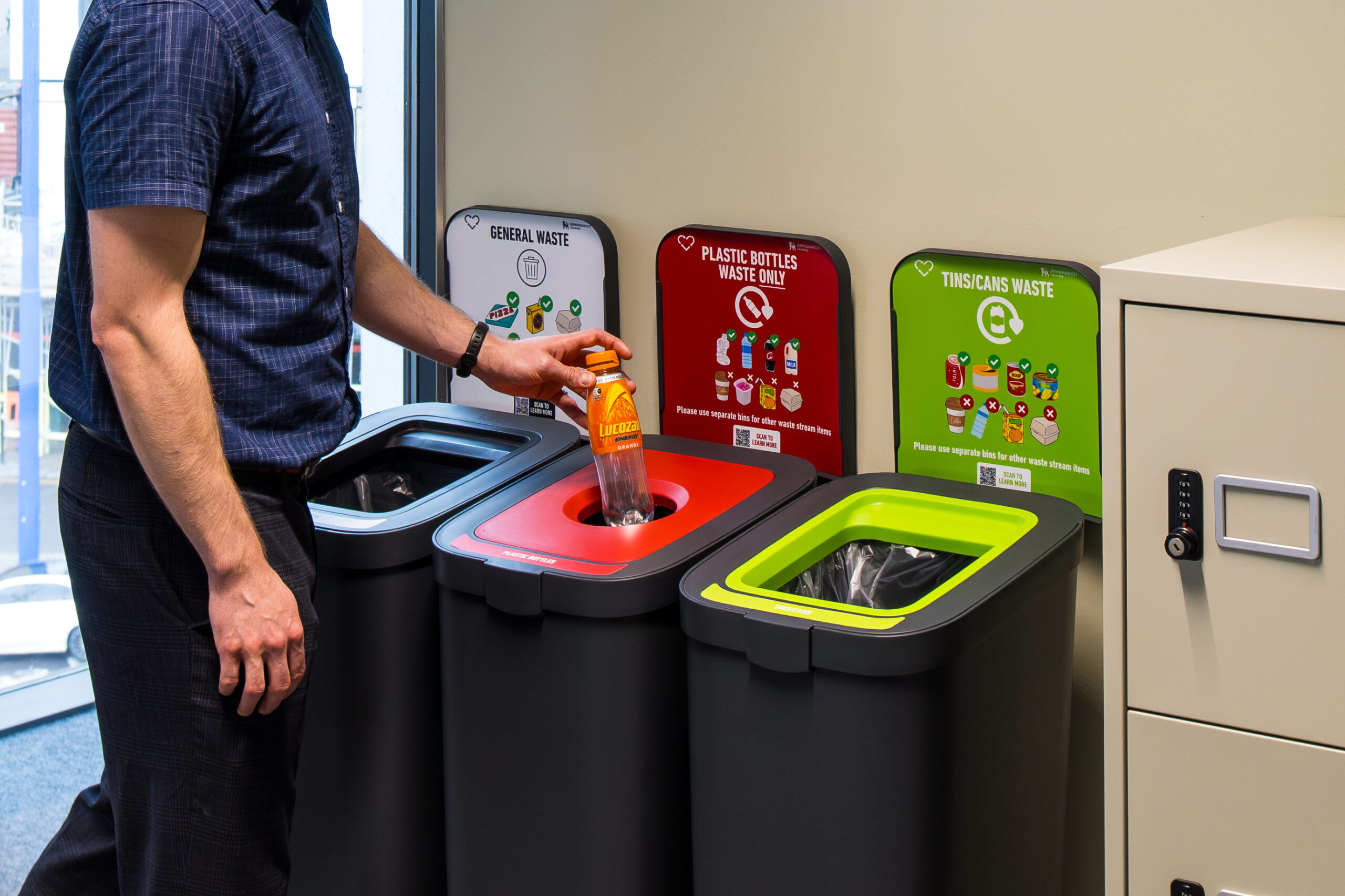
The Most Important Recycling KPIs To Measure
Many organisations focus purely on total recycling rates. In reality, workplace recycling performance is shaped by several smaller metrics working together.
Contamination Rate
Contamination is one of the most important indicators of recycling system performance.
High contamination often signals:
- Unclear signage
- Poor recycling station placement
- Inconsistent waste streams
- Behavioural confusion
- Lack of employee engagement
Even small contamination issues repeated daily across a workplace can significantly reduce recycling quality.
Diversion Rate
Diversion rate measures how much waste avoids landfill through recycling or recovery streams.
This KPI helps organisations understand whether workplace waste is being managed sustainably across different locations and departments.
Waste Stream Performance
Understanding which waste streams perform well and which struggle is critical.
For example:
- Paper recycling may perform strongly
- Cup recycling may experience contamination
- Food waste may be underused
- General waste volumes may remain unnecessarily high
Breaking data down by waste stream provides far better visibility than reviewing overall waste totals alone.
Recycling Behaviour Trends
Behaviour patterns can reveal issues long before data reports do.
Examples include:
- Frequent “wish-cycling”
- Overflowing recycling stations
- Incorrect disposal near coffee points
- Contamination spikes after layout changes
- Confusion around the mixed recycling waste stream
These behavioural observations help organisations adjust recycling systems proactively.
Why Workplace Waste Audits Matter
A workplace waste audit helps organisations understand:
- What waste is being produced
- Where it is being generated
- Which materials dominate waste streams
- How contamination occurs
- Whether recycling stations are positioned effectively
Many organisations discover during audits that recycling systems are underperforming because of relatively small operational issues.
For example:
- General waste bins positioned closer than recycling stations
- Missing food waste streams
- Inconsistent signage between floors
- Poorly labelled cup disposal
- Lack of visibility near printers or kitchens
These issues may seem minor individually, but combined can shape recycling behaviour every single day.
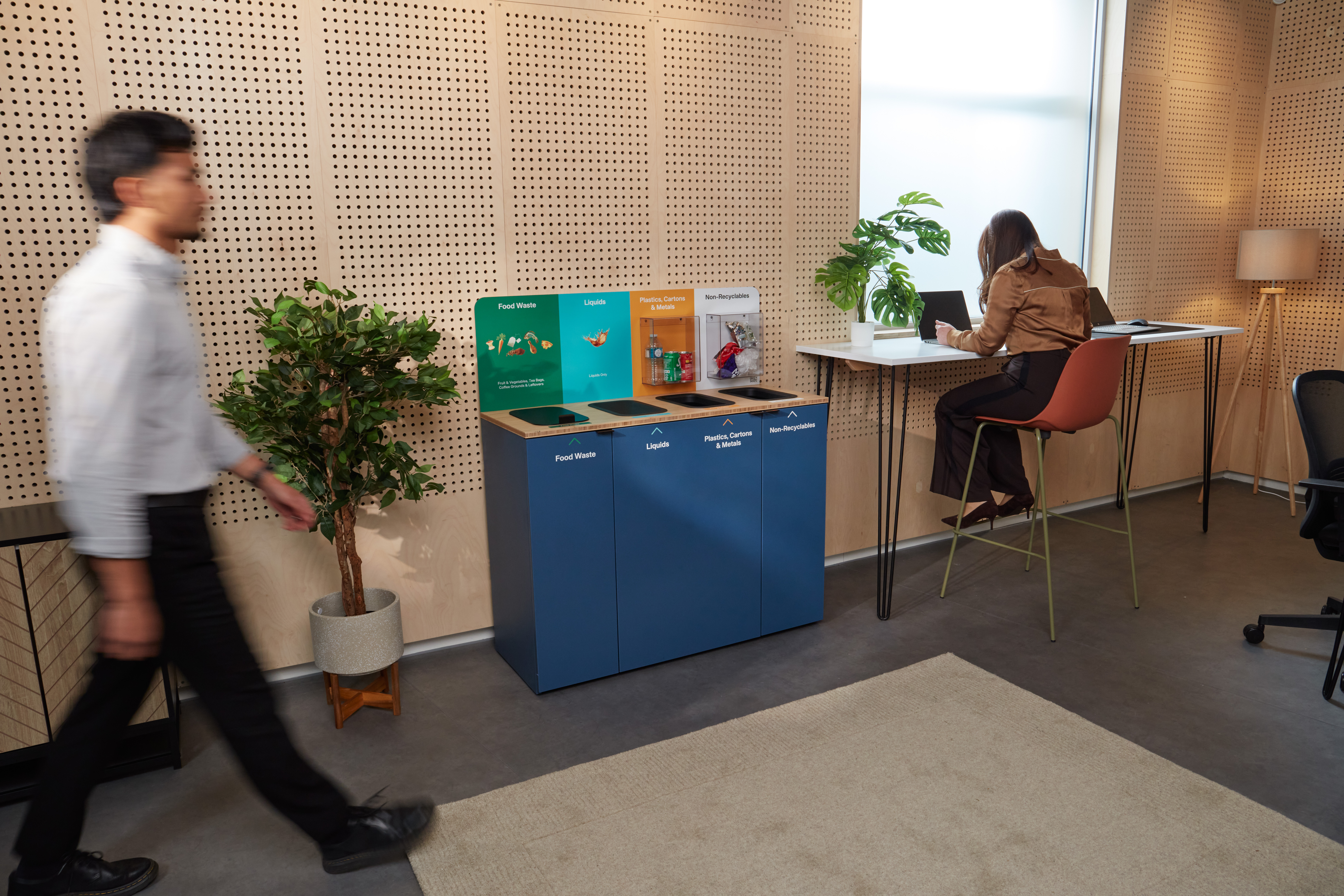
Workplace Observations Can Reveal The Real Problem
One of the most overlooked parts of measuring recycling performance is simply observing how people use the recycling system.
At Unisort, we often refer to this as the “two-second pause.”
That small moment when someone hesitates at a recycling station usually signals uncertainty.
If people need to stop and think:
- the waste streams may not feel obvious
- signage may lack clarity
- placement may not support behaviour
- the recycling station may already be underperforming
Small behavioural moments create larger contamination problems over time.
This is why effective workplace recycling systems are designed to reduce hesitation and make correct disposal feel instinctive.
Which Workplace Recycling Initiatives Have The Highest Success Rate?
The most successful workplace recycling initiatives typically combine:
Specific Waste Streams
Specific waste streams reduce confusion and improve confidence.
Consistent, Clear Signage
Colour coding, icons and recognisable waste examples help users make faster decisions.
Better Recycling Station Placement
Recycling stations should be placed where waste is actually generated and in high-traffic areas.
Behavioural Design
Design-led recycling stations built around human behaviour consistently outperform recycling stations designed just around convenience.
Continuous Monitoring
Regular audits, contamination reviews and performance reporting help organisations improve continuously rather than reactively.
Explore How Digital Waste Tracking Strengthens Recycling Performance Across Workplaces
Reporting Matters More Than Ever
As workplace sustainability expectations continue increasing, organisations are under growing pressure to provide clearer reporting and measurable outcomes.
That includes:
- Recycling rates
- Waste diversion
- Contamination trends
- Carbon reduction initiatives
- Waste movement records
- Compliance reporting
With mandatory digital waste tracking requirements approaching in the UK from October 2026, accurate workplace waste visibility will become increasingly important.
Estimates and assumptions will no longer provide enough operational clarity.
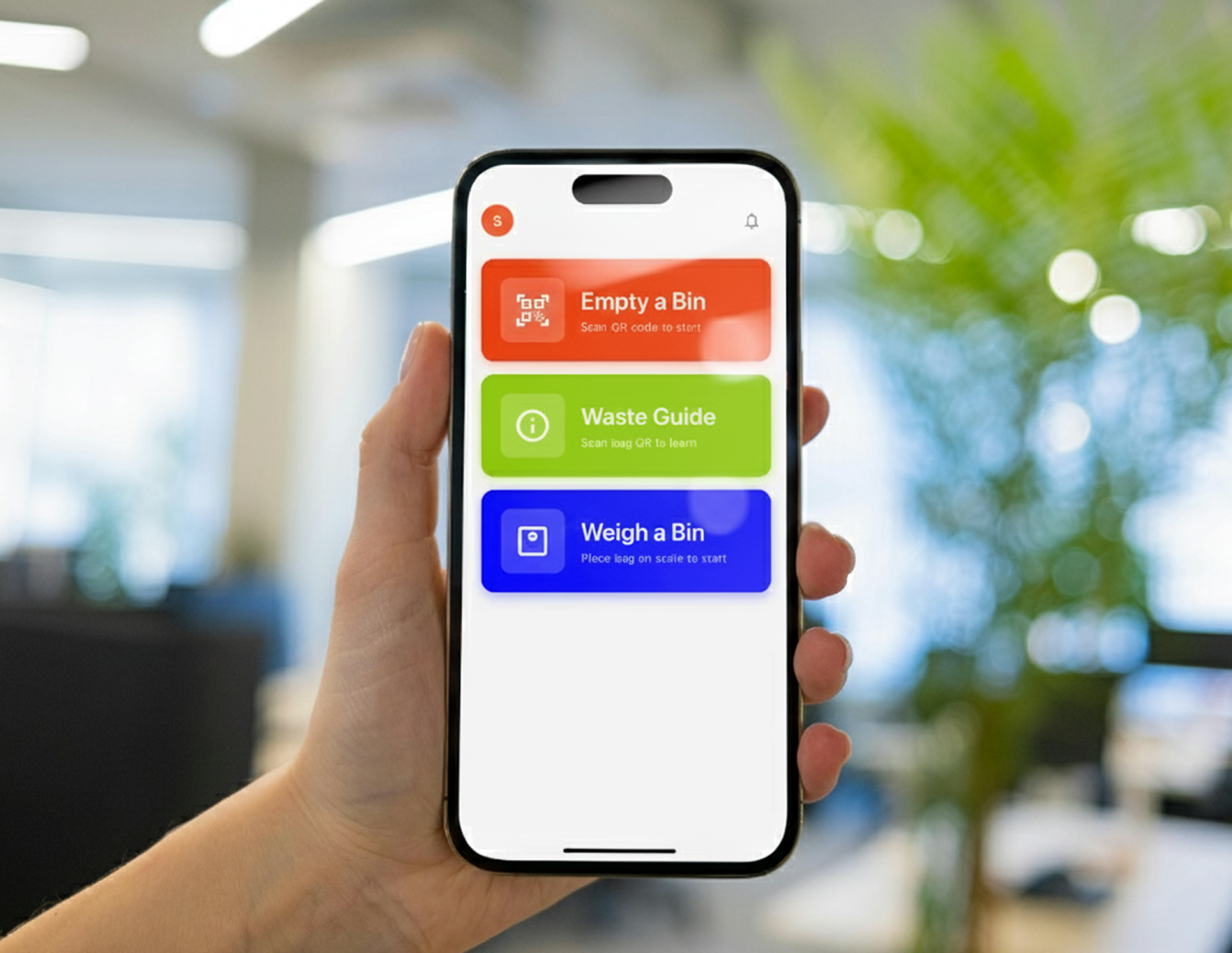
How Unisort iQ Supports Workplace Recycling Visibility
Many organisations still struggle to see what is happening across their waste streams in real time.
Unisort iQ Workplace Waste Intelligence was developed to improve visibility by capturing waste data at source and providing clearer performance insights across workplaces.
This allows organisations to:
- Identify contamination areas
- Compare performance across buildings or floors
- Generate audit-ready reporting
- Track waste streams more accurately
- Improve accountability across sites
The goal is simple:
Better visibility creates better recycling decisions.
FAQs
| Question | Answer |
| What evidence supports workplace recycling improvements? | Organisations that improve recycling clarity, signage consistency and waste stream visibility often see reduced contamination, increased recycling rates, better employee engagement, lower general waste volumes and improved sustainability reporting. |
| How often should workplace waste audits happen? | Most organisations benefit from conducting audits regularly, particularly after office moves, layout changes, policy updates, the introduction of new waste streams or other operational changes. |
| Why does contamination happen so often? | Contamination usually occurs when recycling stations feel unclear or inconsistent at the point of disposal. People make quick decisions based on what feels obvious in the moment, which increases the likelihood of waste entering the wrong stream. |
| Why does recycling station placement matter? | Placement directly influences behaviour. When recycling stations are difficult to find, inconsistent or disconnected from where waste is generated, contamination and general waste volumes often increase. |
Effective workplace recycling performance is measurable.
The organisations achieving the best results are not relying on assumptions. They are actively reviewing behaviour, contamination, waste streams and reporting visibility across their workplaces.
Because better recycling performance rarely comes from asking people to “try harder.” It comes from creating recycling systems that make the right behaviour easier in the first place.
If you’d like help measuring workplace recycling performance, reviewing waste streams or identifying contamination issues across your site, we’re happy to offer a complimentary, no-obligation conversation. Get in touch.