


Recycling looks simple on the surface.
Use the right bin, follow the signage, do the right thing.
In practice, it rarely works that way. Across workplaces, recycling systems can struggle to deliver consistent results. Contamination builds up, recycling rates stop improving, and teams find it difficult to understand what is actually happening on site.
One factor sits at the centre of this challenge and often goes unnoticed.
The language we use.
The Problem With “Recycling” As A Catch-All Term
Most organisations talk about recycling as if it is one clear action.
In reality, it involves a series of small decisions made throughout the day, often in fast-paced environments.
Terms like “mixed recycling”, “general waste” and “recyclables” appear simple, but they leave room for interpretation. At the point of disposal, that interpretation creates uncertainty.
People do not stop to analyse definitions. They act quickly, based on what they think is right in the moment.
When a system depends on interpretation, confusion builds. And as confusion increases, contamination follows.
Why Language Shapes Behaviour
Language directly influences how people understand a system.
Research from the University of Manchester shows how terms like “upcycling” and “downcycling” can shape perception, even when the actual environmental outcomes tell a different story. The words themselves create assumptions.
The same pattern appears in workplace recycling.
If a waste stream is unclear, people fill the gaps using instinct or past experience. That leads to decisions that feel correct, even when they are not.
This is not a question of effort. It is a question of clarity.
In the UK, around 81% of people place non-recyclable items into the wrong recycling waste streams, often believing they are making the right choice.
The intention exists, but the recycling system does not support it clearly enough.
Read more: Why Behaviour Change Drives Workplace Recycling Performance
The Gap Between Intention And Reality
Most workplaces already have recycling systems in place. Recycling stations are installed, signage is visible, and processes are defined.
However, real-world behaviour often tells a different story.
Employees move between tasks, carry items through shared spaces, and dispose of waste while focused on something else. In that moment, recycling becomes a quick decision rather than a considered action.
That decision depends on what the recycling station communicates instantly. If the recycling system creates hesitation, people guess. That brief moment of uncertainty introduces contamination into the process. Over time, those small moments build into larger performance issues.
Clarity Drives Better Decisions
Improving recycling performance starts with reducing ambiguity.
Clear recycling systems remove the need to think. They guide behaviour in a way that feels natural and immediate.
In practice, effective recycling systems:
- Define specific waste streams rather than broad categories
- Use consistent colour coding across all areas
- Apply clear, recognisable signage and visual cues
- Sit within natural movement paths where waste is generated
When these elements align, people make faster and more accurate decisions.
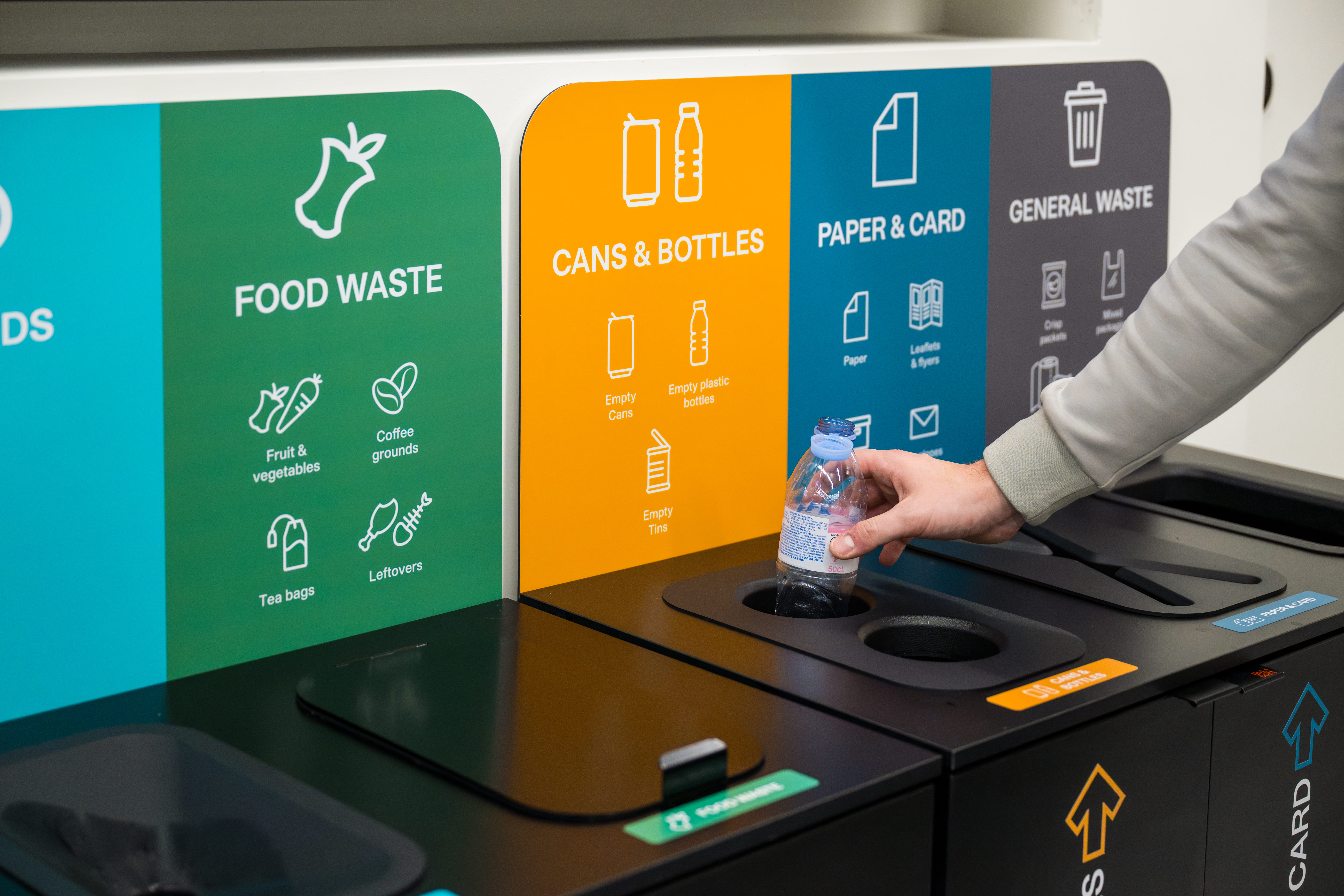
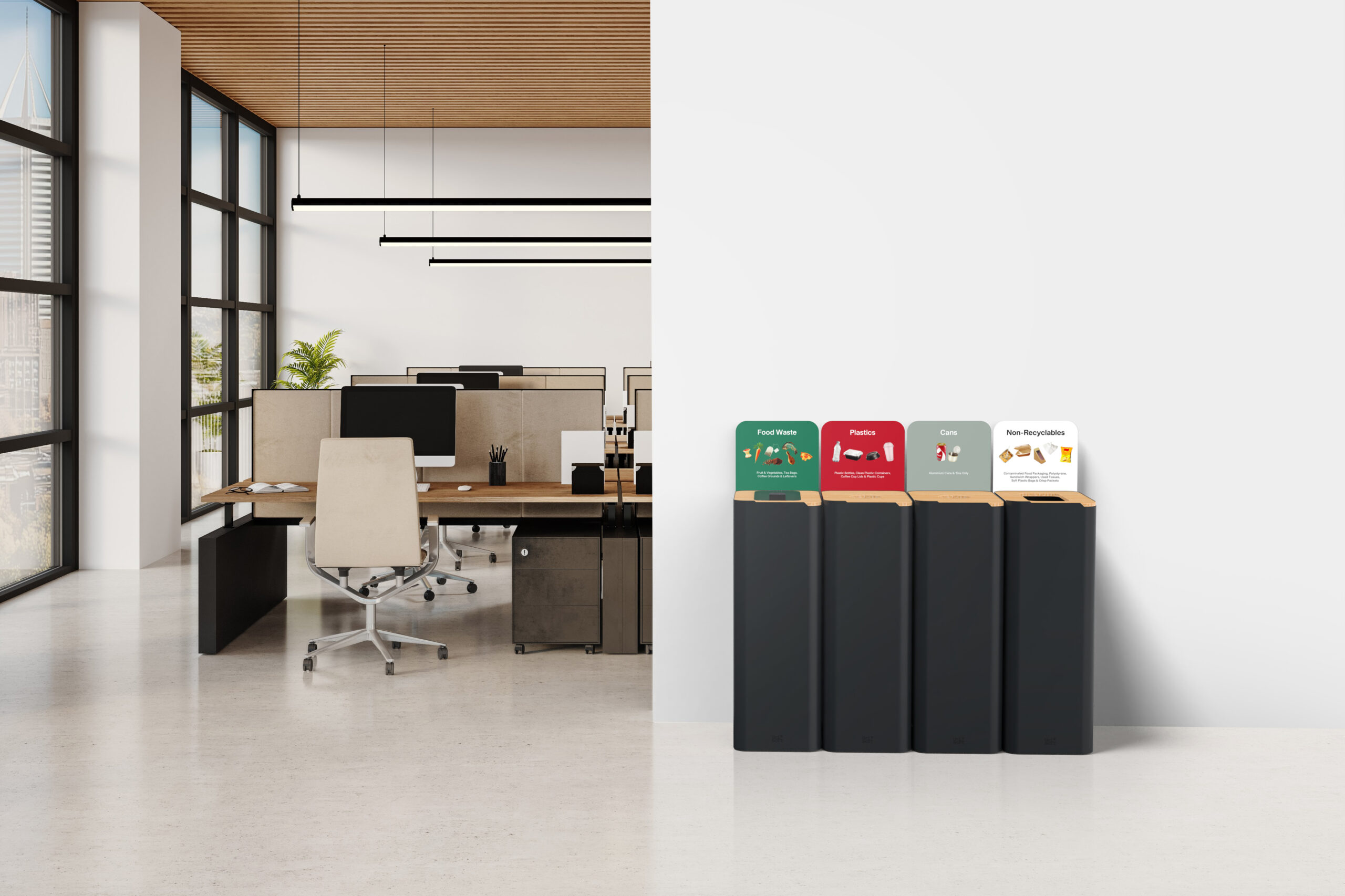
Design-led recycling systems such as Unisort Aspire, Unisort Climate and the newest Unisort Circula focus on this principle. Specific waste streams, colour-coded apertures and intuitive signage help users act with confidence, without needing to pause or interpret the system
Why “Mixed Recycling” Creates Confusion
“Mixed recycling” can simplify collection processes, but it introduces uncertainty at the point of use.
From a user’s perspective, it raises immediate questions:
- Does this include food packaging?
- Should liquids be emptied first?
- Are all plastics accepted?
Without clear boundaries, people rely on assumption. That leads to contamination, rejected loads and materials being diverted away from recycling waste streams.
Correct waste separation at the source reduces this risk and supports better outcomes across the entire process.
From Messaging To Measurable Performance
Sustainability now depends on measurable results rather than broad messaging.
Organisations need to demonstrate how their recycling systems perform, where issues occur and what improvements have been made over time.
That shift requires recycling systems that support consistent behaviour and make performance visible.
Clear infrastructure and consistent design create the foundation. Measurement and visibility build on top of that.

The Role Of Data In Closing The Gap
Language influences behaviour, while data confirms what is actually happening.
Many organisations still rely on high-level or delayed reporting. That limits their ability to identify issues early or understand performance across different areas.
When recycling data is captured closer to the point of disposal, organisations gain a clearer view of:
- where contamination occurs
- how behaviour varies across locations
- which changes lead to improvement
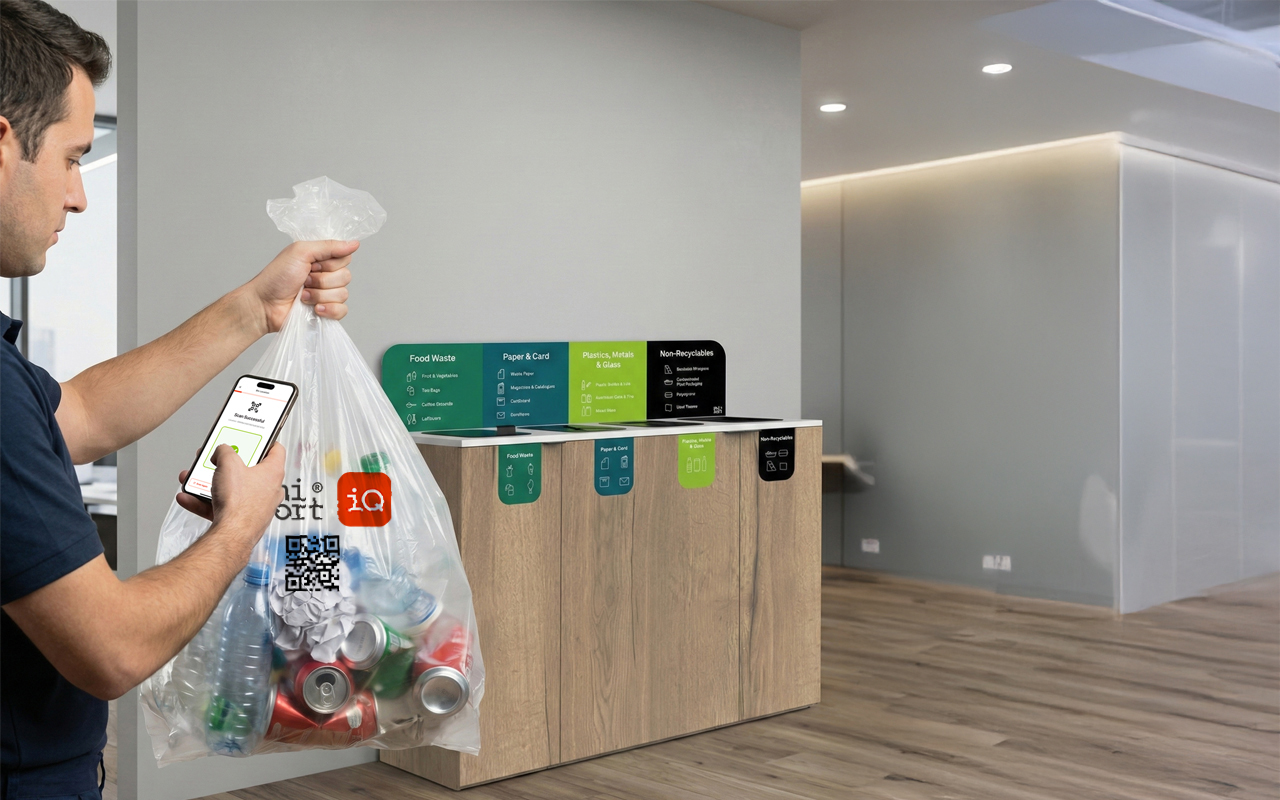
Workplace waste intelligence platforms such as Unisort iQ support this by providing real-time visibility of recycling performance.
Better Data. Better Recycling.
Learn more about How Digital Waste Tracking Strengthens Recycling Performance Across Workplaces
Designing Systems For Real Environments
Recycling systems perform best when they reflect how people behave in real environments.
Strong systems combine three elements:
- Clarity so people understand what to do instantly
- Consistency so systems look and function the same across spaces
- Visibility so performance can be measured and improved
When these elements work together, recycling becomes part of everyday behaviour rather than a separate task.
Recycling systems succeed when they remove uncertainty.
Clear language, consistent design and visible performance create an environment where people can act quickly and separate waste correctly.
When recycling systems rely on interpretation, behaviour becomes inconsistent. When systems provide clarity, behaviour becomes predictable.
Correct recycling does not depend on what organisations say. It depends on what people do in the moment.
If you’re looking to improve recycling performance and remove confusion across your workplace, get in touch to see how Unisort can support your sustainability goals with bespoke and customised solutions.